From Skills to Markets: Making Entrepreneurship Work for Development
Entrepreneurship is a driving force for job creation and sustainable development, especially in contexts where formal employment opportunities are scarce. Yet many entrepreneurs in the Global South struggle to access finance, markets and the right skills.
Photo: ITC
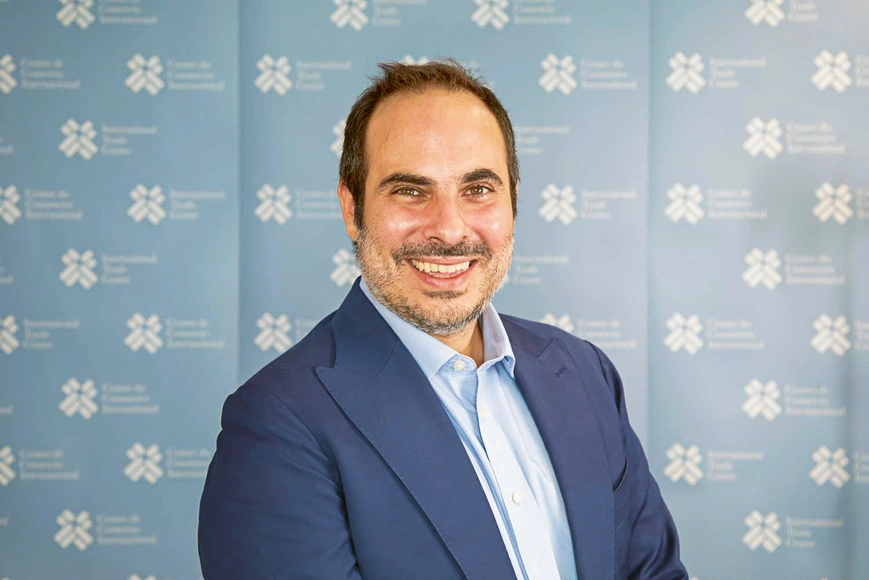
Hernan Manson is Head of Inclusive Agri-Business Systems at the International Trade Centre (ITC) in Geneva, a joint agency of the United Nations and the World Trade Organization. He works with Small and Medium Enterprises (SMEs), governments, institutions and entrepreneurs to build competitive, sustainable and inclusive international value chains across Africa, Asia and Latin America. In this interview, he discusses why entrepreneurship and vocational training are vital for development cooperation and business today, what challenges entrepreneurs in the Global South face and what development organisations can do to help overcome them.
Should fostering entrepreneurship be a priority in development cooperation today?
Hernan Manson: Yes, definitely. Entrepreneurship is critical because it promotes self-sufficiency, economic growth, and social inclusion. In many low- and middle-income countries, traditional employers — both large corporations and the public sector— cannot always absorb all job seekers, particularly youth. Successful entrepreneurs and small and medium enterprises (SMEs) generate employment, diversify the economy and foster sustainable livelihoods. By supporting SMEs and entrepreneurship, development cooperation helps to create jobs, enhance prosperity and stimulate local and regional economies. Moreover, entrepreneurship encourages innovation, local solutions and resilience in communities that might otherwise remain excluded from formal economic opportunities.
Why are vocational training and further education so important in this context?
Vocational training and further education are crucial because they equip individuals with the foundation – the knowledge and technical skills – needed to find a job or create their own business venture. Of course, training must be tailored to local market needs while also preparing people for the jobs and sectors of the future — those that drive innovation and long-term growth. But equally important is mindset development: fostering a culture of entrepreneurship where young people see creating their own business as a viable and attractive path that results in prosperity. Effective development interventions combine market demand driven vocational training, entrepreneurial mindset programmes and integration of traditional and modern skills.
What are the main challenges for entrepreneurs in the Global South?
Access to finance remains one of the biggest challenges for entrepreneurs and SMEs in the Global South. Many fall into the «missing middle» – they are too large for microloans but too small or risky for commercial banks. Even when financing mechanisms exist, they often fail to reach small businesses because procedures are complex or because the minimum loan size is too large. Loans can also be too risky for entrepreneurs, not only because of high costs but also due to weak local financial systems that often lack insurance or reliable support structures. High interest rates, limited trust and lack of collateral make the problem worse. Beyond finance, entrepreneurs also face barriers such as unclear regulations, limited market access, skills gaps as well as exclusion of youth, women and marginalised groups.
How can development cooperation contribute to address these challenges?
Development cooperation can address these challenges by providing integrated support that combines finance, skills training, market linkages and policy engagement, while fostering inclusion and building multi-stakeholder partnerships that leverage both local and international resources and expertise. Partnerships with both public and private sector institutions are particularly crucial. As with every engagement in development cooperation, it is absolutely essential to adopt an approach that is based on the actual needs, priorities and aspirations of the people and communities involved, rather than imposing solutions from the outside. Support for SMEs and entrepreneurs achieves the most lasting impact when it follows a bottom-up approach led by local actors who understand the context and can continue working with businesses sustainably—bridging the “last mile” and ensuring that support truly reaches those who need it most.
What advice would you give to development organisations who want to support vocational training tailored to the needs of the labour market and promote entrepreneurship effectively?
Projects should actively include entrepreneurs, SMEs and local communities from the very start, allowing them to shape the design, implementation and monitoring of programmes – and I mean real participation, not just a consultation or a box to tick. Only when the design, implementation, monitoring and evaluation is truly participatory will the project be relevant, locally owned and more likely to be adopted, replicated and scaled. Another important factor is inclusivity. By actively including youth, women, marginalised groups and persons with disabilities, development initiatives can tap into a wider pool of talent, creativity and entrepreneurial potential. Finally, making entrepreneurship attractive by emphasising innovation, technology, and profitable business model helps engage the next generation and ensures long-term economic sustainability.
How do you balance fostering individual entrepreneurs with systemic change in local economies?
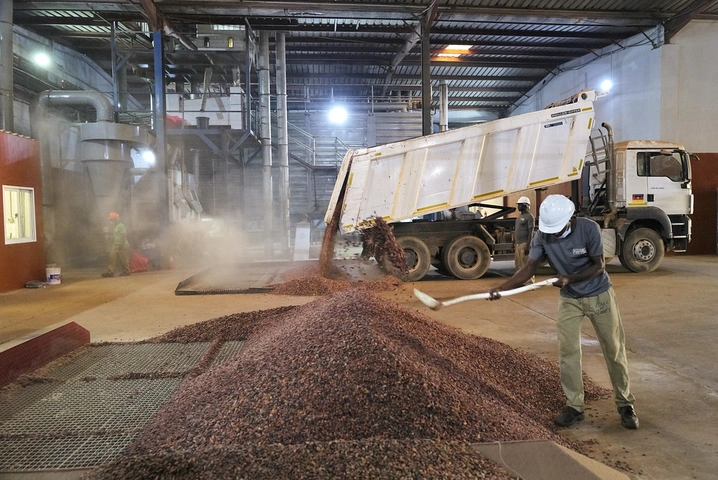
Balancing individual support with systemic change is central to the International Trade Centre’s approach. We directly support entrepreneurs and SMEs but also strengthen the institutions and policies around them. In Ghana’s Swiss funded Sankofa project, for example, we worked with farmers and cooperatives while engaging national bodies like the Cocoa Board, Halba, Max Havelaar and COOP to scale impact. Real transformation happens when individual success connects with broader systemic change; when entrepreneurs, institutions, finance, policy and markets collaborate effectively to grow together.
Looking ahead: Where do you see the biggest opportunities to foster entrepreneurship in development cooperation?
Looking ahead, some of the biggest opportunities to foster entrepreneurship lie in embracing the digital economy, advancing the green transition, and diversifying into new and innovative sectors. Digital tools and emerging green technologies, including AI powered by sustainable energy, can help small and medium-sized enterprises become more efficient, productive, and connected to local and global markets while supporting environmental goals. At the same time, the transition to a green economy, with climate-smart production and green finance, is creating opportunities for sustainable business models that advance both local development and global environmental objectives. Sector diversification and value addition open further opportunities, especially when combined with strengthening regional integration, particularly within Africa’s continental market. Supporting areas such as agro-processing, local production of baby food, pharmaceuticals, auto parts, and creative industries builds resilience, captures more value locally, and helps enterprises move up the value chain. Above all, it is critical to promote business-led development that puts human capital, people, and skills at the centre, creating pathways for both entrepreneurship and long-term sustainability.